ATLAS™
Gut microbiome mapping for horses.
Most gut decisions get made by watching manure and hoping. ATLAS gives you something real to work from: one fecal sample, sequenced to show the bacteria and fungi actually living in the hindgut.
One-time · No subscription · No vet visit required
Collection kit and two-way shipping included · No lab or handling fees
The hindgut does most of the work, and almost none of it gets measured
The hindgut is where equine nutrition and immune tolerance largely happen. The microbial community living there — bacteria and fungi together — shapes how much energy a horse pulls out of forage, how well the gut wall holds up, and how the whole system handles stress and change.
For most horses, that community is never looked at, so decisions get made around it instead: a supplement added, a feed swapped, a slow recovery waited out. That isn't for lack of care on anyone's part — until recently there wasn't a practical way to see inside it.
ATLAS is that way in. Deep bacterial and fungal sequencing of a single fecal sample shows what's present in the hindgut, in what proportions, and how that pattern sits against equine-specific reference ranges. One test gives you a baseline; repeat it after a diet change, an antibiotic course, or a health event and you can see what shifted and whether it recovered.
Without a baseline
You watch the manure, change the feed, add a supplement, and wait — with no way to tell whether any of it helped.
With ATLAS
You can see which microbial groups shifted, by how much, and whether they're recovering — so the next decision has something behind it.
What you compare a result to matters as much as the sequencing itself. Metaboly is Canada's only private equine laboratory sequencing the gut at this depth, and our reference database is the largest equine microbiome dataset in the country, built from horses across different provinces, climates, forage bases, and management styles. That means your horse is read against horses living through the same winters and eating similar hay, rather than against human gut data or a herd on the other side of the world.
In practice: say a horse goes on antibiotics. Test beforehand, test again a few weeks later, and you can see how much the gut community was affected and whether it's rebuilding — rather than guessing from what you can see in the stall.
What you get back
Not a single score with no context — a full report in your Metaboly portal, permanently attached to your horse's record and written so you can actually use it:
Up to 80+ bacterial families identified per sample
Up to 300+ bacterial genera resolved
Fungal community profiling — yeasts and moulds present in the hindgut
Diversity metrics and relative abundance profiling across both bacteria and fungi
Disruption- and stability-associated microbial signatures
Visual community composition plots
Biological pattern interpretation with clinical context
Management and nutritional guidance grounded in microbial data
Longitudinal trend comparison built in across every order
Built for deeper biological visibility
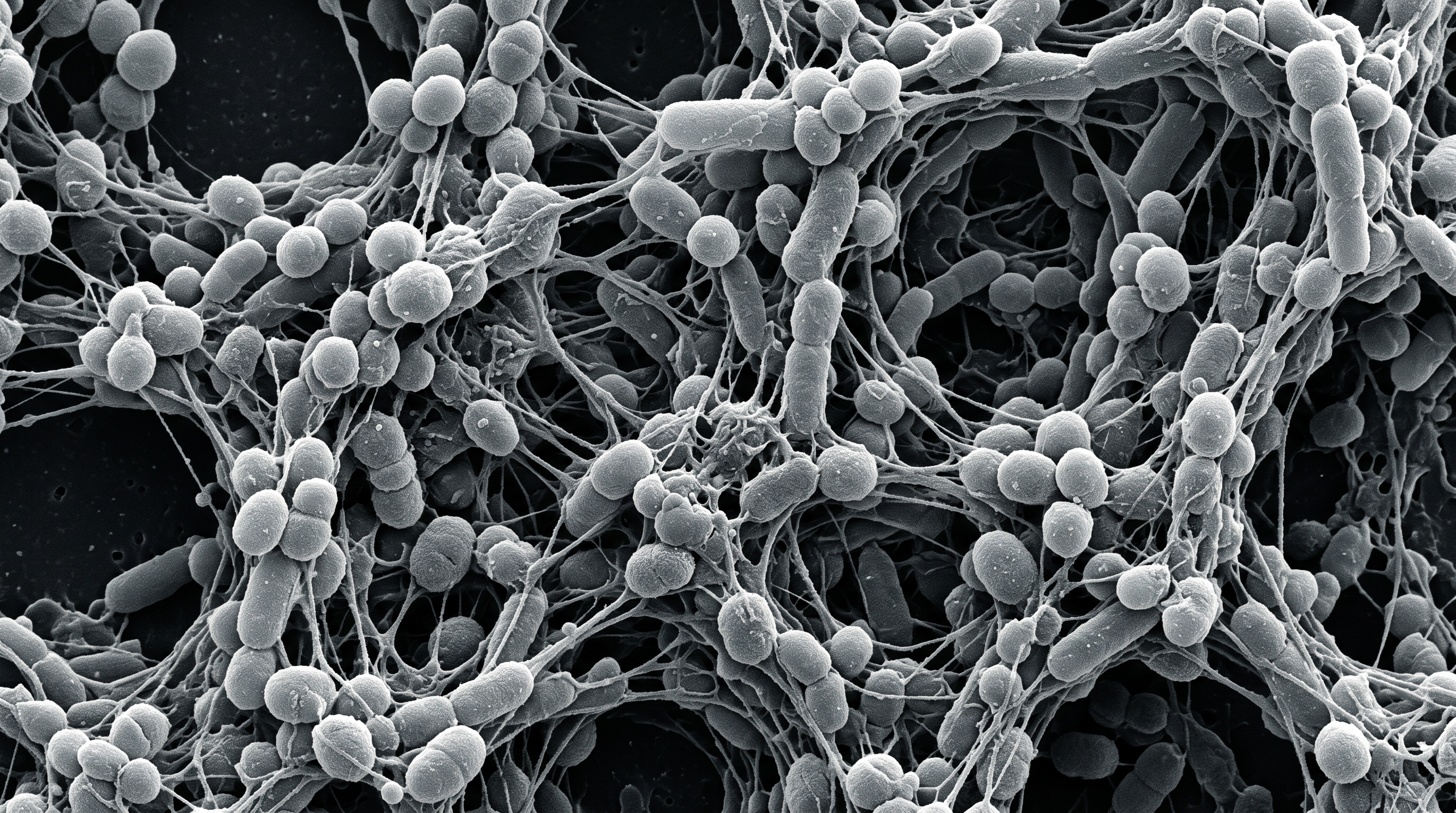
This is the scale ATLAS works at: mixed microbial communities living together in the hindgut rather than single organisms in isolation. Every result sits in your Metaboly portal as an interactive record of diversity, composition, and how those change over time.
The science behind the result
For a detailed grounding in the equine hindgut microbiome — what these microbial communities are, why they matter, and how disruption manifests — visit our dedicated microbiome resource.
Learn about the equine microbiomeHow it works — about ten minutes of your time
Order & Kit Dispatch
Your collection kit ships with a specialized sample preservation solution and complete instructions. Everything required is included — no additional materials or veterinary coordination needed.
Sample Collection
Collect a solid sample from freshly passed manure using the preservation tube provided. ATLAS does not use rectal swabs — swabs only capture surface microbes near the anus, which are not representative of the true hindgut community. No veterinary visit is required.
Sequencing & Analysis
Your sample goes through deep bacterial and fungal sequencing, followed by bioinformatic analysis against our equine-specific reference database — built for horses rather than adapted from human datasets. Drawing bacterial, fungal, and parasite data out of a single sample is a genuinely involved workflow, which is why it takes weeks rather than days.
Results Delivered to Your Portal
Most reports are finished within about four weeks of sample receipt, and some take up to seven. The report appears in your Metaboly portal, permanently linked to your horse's record and ready to compare against every future test.
Common questions
$189
One-time · No subscription
Collection kit and two-way shipping included
No vet visit, no clinic appointment
No lab fees, handling fees, or subscription
Who usually orders ATLAS
Establishing a true gut-health baseline before something changes
Persistent digestive instability or recurrent colic-like patterns that haven't resolved through standard management
Unexplained manure inconsistency or suspected feed sensitivity without clear cause
Tracking gut microbial changes after antibiotic courses, diet shifts, or major management transitions
Performance horses where the gut is part of the performance picture — and that layer deserves to be measured
Owners who want to build a rigorous longitudinal biological record across their program
Service details
A record that compounds in value
Every ATLAS result is stored in your Metaboly portal and permanently linked to your horse's record. Repeated over time, results become a longitudinal microbiome map — one that makes change interpretable and turns individual snapshots into a biological narrative.
Learn about the platformThe most useful baseline is the one taken before anything goes wrong
A single result tells you where your horse stands today. It becomes far more useful once there's an earlier test to compare it against, which is why most owners start with a healthy baseline rather than waiting for a problem.
Kit and two-way shipping included · No vet visit required · Most results in about 4 weeks