
Like you've
never seen before.
Around 70% of your horse's energy comes from bacteria, and 80% of their immune system starts at the gut wall. ATLAS lets you finally see it.
It's running the whole show.
Your horse's gut is home to trillions of bacteria, fungi, protozoa, and viruses — and they're not just along for the ride. Every single day, they're turning fibre into usable energy, keeping inflammation in check, training the immune system, and holding the gut lining together so nothing leaks through that shouldn't.
~30 metres
Where it lives
The hindgut — the colon and cecum — is basically a fermentation vat. This is where fibre gets broken down into energy, and where everything downstream gets shaped.
Trillions of organisms
Who is in there
It's not just bacteria in there. Fungi, protozoa, and viruses all share the space, each doing work most people never think about.
Energy, immunity, barrier
What actually matters
These microbes make the short-chain fatty acids that fuel your horse, train the immune system, and hold the gut lining together. Lose the wrong ones, and all three take a hit.
Most of what worries you, starts in the gut.
Nobody buys a microbiome test because they find bacteria interesting. They buy one because their horse colicked last spring, or dropped condition on good hay, or because laminitis is the thing they lie awake about. Those aren't separate problems. They share a starting point.
Colic
Still the leading medical cause of death in horses. When fermentation goes off — too much gas, the wrong balance of organisms, motility that slows down — the risk climbs.
Laminitis
A big starch meal feeds the wrong bacteria. Those bacteria produce endotoxins, the gut wall loosens, and the inflammation ends up in the hoof. The chain of events starts a long way from the foot.
Weight you can't put on
A horse eating plenty of good hay and still looking poor is often a fermentation problem, not a feeding problem. If the microbes aren't pulling energy out of the fibre, more hay won't fix it.
Performance and recovery
Most of the energy behind a working horse comes from microbial fermentation. When that engine runs rough, you see it as flat work, slow recovery, and a horse that just doesn't feel right.
Metabolic trouble
Short-chain fatty acids are part of how a horse regulates blood sugar and insulin. Shift what's producing them and you shift that regulation — which matters for any horse being managed for metabolic risk.
Infections that keep coming back
Roughly 80% of the immune system sits around the gut. When the barrier weakens and the beneficial organisms thin out, the immune response follows — and small things start turning into repeat problems.
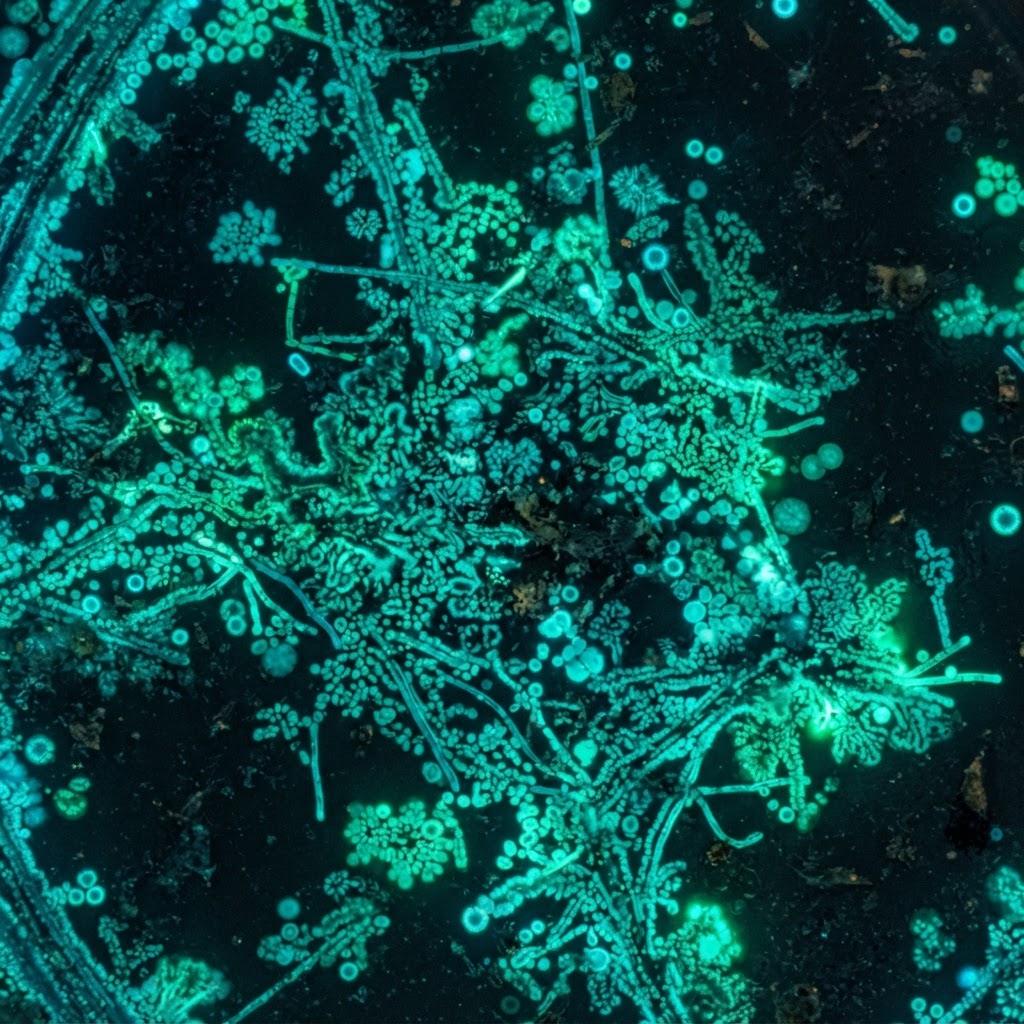
The hindgut.
Horses are obligate hindgut fermenters, which is a technical way of saying they can't digest fibre by themselves. Trillions of microbes do it for them — turning forage into fatty acids that supply up to 70% of the horse's daily energy, while the tissue around them anchors roughly 80% of the immune system.
What it does
Ferments fibre
The small intestine can't touch structural carbohydrate. The hindgut community does the job the horse's own enzymes can't.
Produces energy
Fermentation yields short-chain fatty acids — the fuel behind muscle, bone, and everyday metabolic function.
Maintains the barrier
Butyrate-producing bacteria feed the cells lining the intestine, keeping the wall tight so nothing crosses that shouldn't.
Shapes immunity
Microbial metabolites train immune cells directly and set the inflammatory tone for the whole body.
When it fails
Laminitis
Carbohydrate overload feeds endotoxin producers, the barrier loosens, and the inflammation surfaces in the hoof.
Metabolic dysfunction
Change what short-chain fatty acids are being made and you change insulin sensitivity, energy handling, and glucose control.
Colic
Imbalance disrupts fermentation, drives gas production, and slows motility — three of the reliable drivers behind a colic episode.
Immune failure
Lose the beneficial metabolites and you get low-grade systemic inflammation and a horse that picks up more than it should.
70 percent of your horse's energy comes from bacteria.
When your horse eats hay, the horse isn't the one extracting the energy. The microbes are. They ferment the fibre and produce short-chain fatty acids, and those molecules go on to fuel muscle, hold the gut wall together, and steady blood sugar. Lose the organisms that make them and it shows up as a horse who won't hold condition, work that feels flat, and inflammation nobody can quite place.
The short-chain fatty acids
Tap any one to see what it does and why it matters for your horse.
More than fermentation.
There's a single layer of cells between your horse's gut contents and their bloodstream, and the microbiome is what keeps it sealed. When that seal loosens, gut bacteria leak through and the inflammation shows up elsewhere — the hooves, the joints, the metabolism. It rarely stays a gut problem.
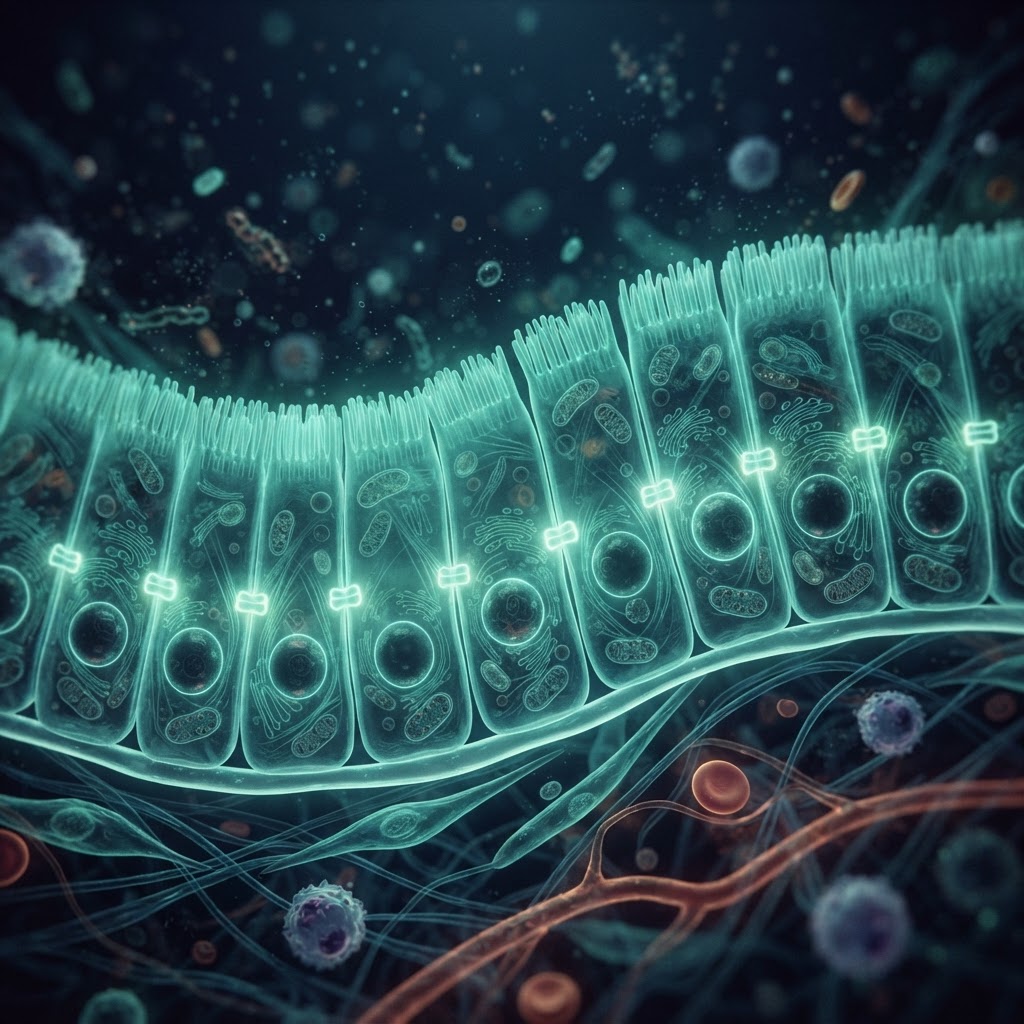
A single epithelial layer, maintained by microbial metabolites.
Tap any card to read more
Meet some key players.
No single organism explains the horse. The microbiome is a structured ecological system made up of distinct groups. The value is in the structure of the community — and what that community is capable of doing together.
Phylum
Firmicutes
Major fermenters & SCFA producers
Metabolic contribution
Firmicutes are among the most commonly discussed phyla in equine hindgut studies. Many members of this group are involved in fermentation and the production of short-chain fatty acids — particularly butyrate and related end-products that support gut lining function and energy metabolism. Organisms within this phylum are broadly associated with fibre breakdown, hindgut stability, and maintaining the fermentation conditions the horse depends on.
Why it matters in the horse
In horses, these functions are not peripheral. Hindgut fermentation is the primary mechanism for energy generation from fibre — and Firmicutes are central to that process. Their role in butyrate production is directly tied to colonocyte health and intestinal barrier integrity.
What a shift may suggest
Marked decreases may coincide with shifts in fermentation efficiency, reduced SCFA output, or broader community instability.
The microbiome after birth.
The equine microbiome does not begin at weaning, or even at birth. Evidence suggests it begins in the mare — with implications for how we understand foal health, breeding, and dam management during gestation. Select any stage below to explore what happens.
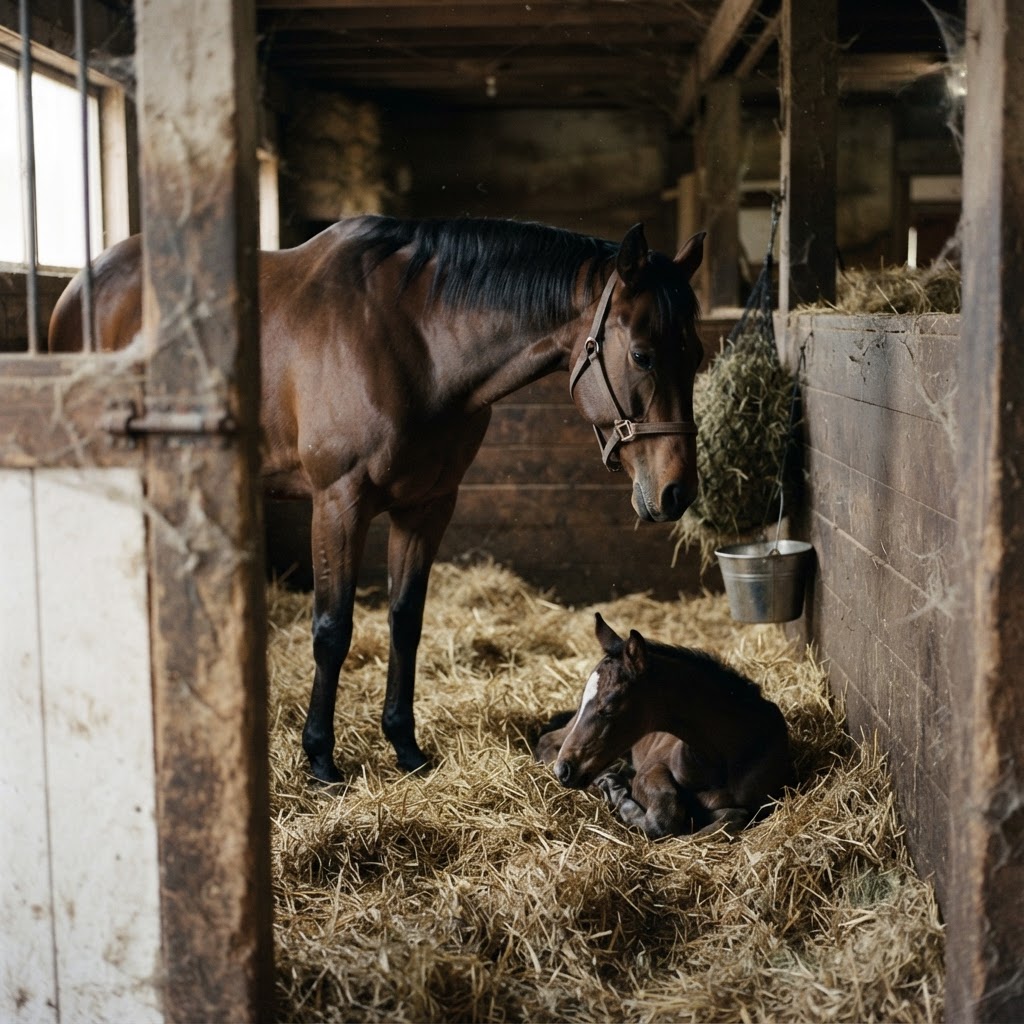
Gestation & Colonisation Timeline
Gestation
A mare's gut microbiome changes noticeably over the course of pregnancy, and researchers are only starting to map how. Shifts in certain bacterial groups — Lachnospiraceae and Ruminococcaceae among them — have been tied to a higher risk of colic shortly after foaling, so what happens during gestation can carry straight through to birth.
Bacteria are only the beginning.
Most microbiome conversations stop at bacteria. But a horse lives with bacterial, fungal, and parasitic communities at the same time, and the three are not variations on a theme — they differ in what they are, how they arrive, what they do, and how much we actually know about them.

Bacteria
Bacteria
Bacteria do most of the digestive work.
Single-celled organisms with no nucleus, living in the billions per gram of gut contents. They dominate the cecum and colon, where they ferment the structural fibre a horse cannot digest on its own and turn it into volatile fatty acids — a large share of the animal's daily energy.
Why they matter
- Fibre fermentation and energy supply
- Gut barrier integrity
- Immune training and signalling
- pH stability in the hindgut
How they get in
A foal is seeded within hours — from the mare's manure and skin, from milk, from bedding and soil. That founding community is then reshaped for life by forage type, grain, water, travel, illness, and antibiotics. In the reproductive tract, bacteria reach the vagina and cervix from the perineum and the surrounding environment, and the community shifts with heat cycles, breeding, and foaling.
Good guys, bad guys
Most are cooperative — they earn their keep. The trouble usually starts with a sudden change rather than a new arrival: a starch load reaching the hindgut drops the pH, fibre fermenters die back, and acid-tolerant opportunists take the space. The same species can be unremarkable in a stable community and a problem in a disrupted one.
How we turn findings into direction.
We don't just hand you a list of bacteria. We compare your horse's profile against our reference database, flag the specific microbial groups that stand out, and connect what we find to what the science actually says about them — so you walk away with guidance you can use, not just numbers.
Your horse's hindgut community looks less stable than we'd expect.
Lined up against our reference ranges, this hindgut population sits outside where a settled, well-adjusted gut usually falls. That pattern shows up often in horses whose forage changes frequently or abruptly — so keeping hay consistent, and easing into any changes, is the simplest lever here.
These are illustrative examples only. ATLAS findings are informational, not diagnostic. Always consult your veterinarian or equine nutrition professional before making management changes.
Explore ATLAS