
Capability
The leading edge.
Real analytical science, built to produce results that hold up on their own. No product story dressed as data.

Lab science, health records, and care coordination — connected into one clear picture.
We spent years adapting and validating health tools from human medicine for equine use. The work held up. What didn't was funding — 17 applications across federal, provincial, and private programs. Each time, our work was considered credible. Each time, equine health was out of scope.
The science wasn't the problem. The infrastructure was. So we built it ourselves.
The sequencing that changed human medicine has been available for years. Almost none of it reached equine care, and the reason has very little to do with the science itself.
Sequencing the DNA of an organism, or of the thousands of microbes living inside one, used to be a research project. Now it informs treatment decisions daily, at a cost that keeps falling. None of that had to be reinvented for horses; it only had to be carried across, validated, and made to work on equine samples.
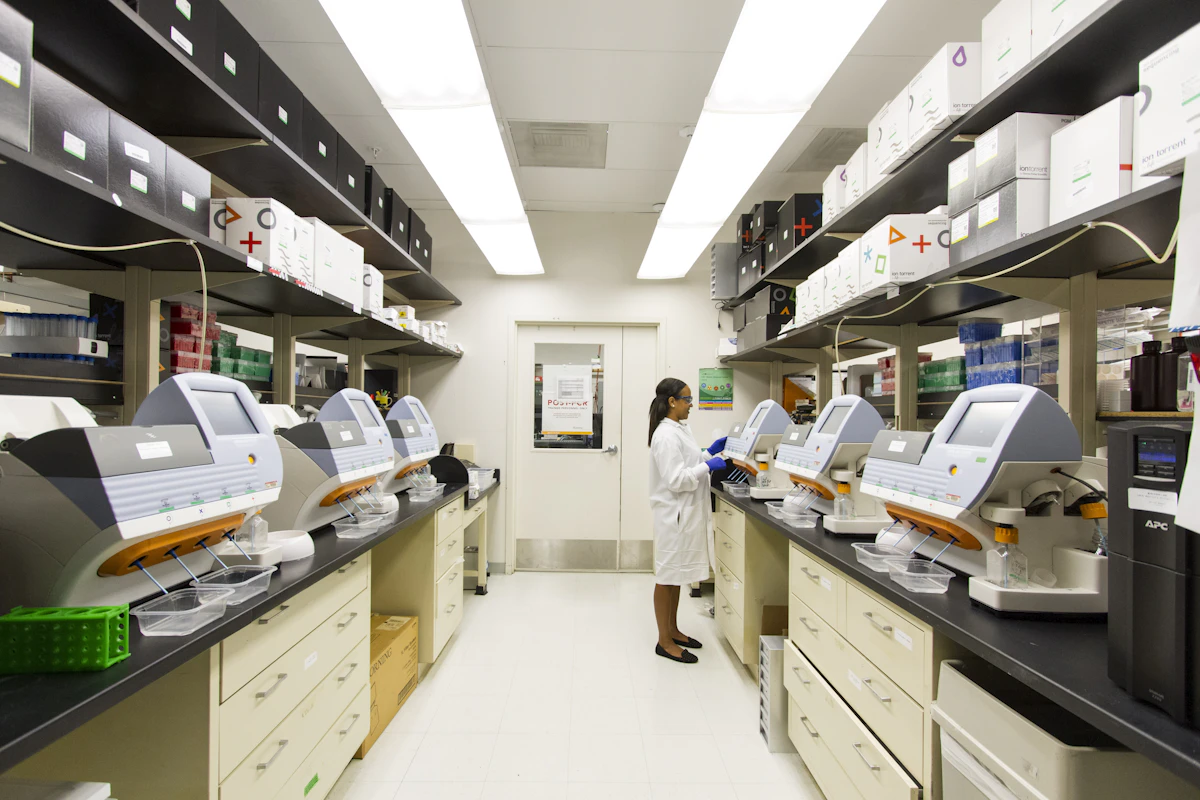
The cost sits in everything underneath it: the equipment, the validation work, and the hundreds of horses you need to sample before a single result means anything. Funding for that rarely arrives, because horses fall between categories — not quite livestock, not quite companion animals, and rarely anyone's priority. Which is why the tests a Canadian horse owner can order today look much like they did twenty years ago.

Sequence a horse's gut and you get a list of organisms and their proportions. Whether those proportions are ordinary for that age and region, or the early edge of a problem, depends entirely on what you can compare them to — and no Canadian reference set existed. So we built the laboratory first, and now the reference population, one horse at a time.

Three things set Metaboly apart — and they shape every result we produce.
Real analytical science, built to produce results that hold up on their own. No product story dressed as data.

We do not use results to steer clients toward inventory — our role is to clarify the problem, not manufacture the conclusion.

We build tools the equine community has gone too long without. R&D priorities are set by what the community needs — not by commercial relationships.
Every result comes with the research behind it, written so you can actually read it. If we can't point to the evidence for a recommendation, we don't make it.
Chronic problems start long before they show. The point of testing is to find what's driving something while there's still time to change it.
Universities, veterinarians, and other laboratories. A reference database is only as good as the number of people willing to contribute to it.
The full findings for your horse, not a summary with the interesting parts removed. What we learn from the wider dataset gets shared back too.
No feed companies, no supplement makers, no advertisers, no brokers. There are no ads on the platform either. Our business is doing science well to improve outcomes for our clients.
Your records, your results, and your activity stay between you and whoever you choose to share them with. For a competition yard or a breeding operation, that matters as much as the science does.
How that's enforced
Identity held separately
Your name and your horse's health data are stored apart, linked only by an internal identifier.
End-to-end encryption available
Encrypt sensitive records with a Vault Key we never store and cannot recover — not even for ourselves.
Research data de-identified
Anything contributed to the reference database carries no owner, farm, or location details.
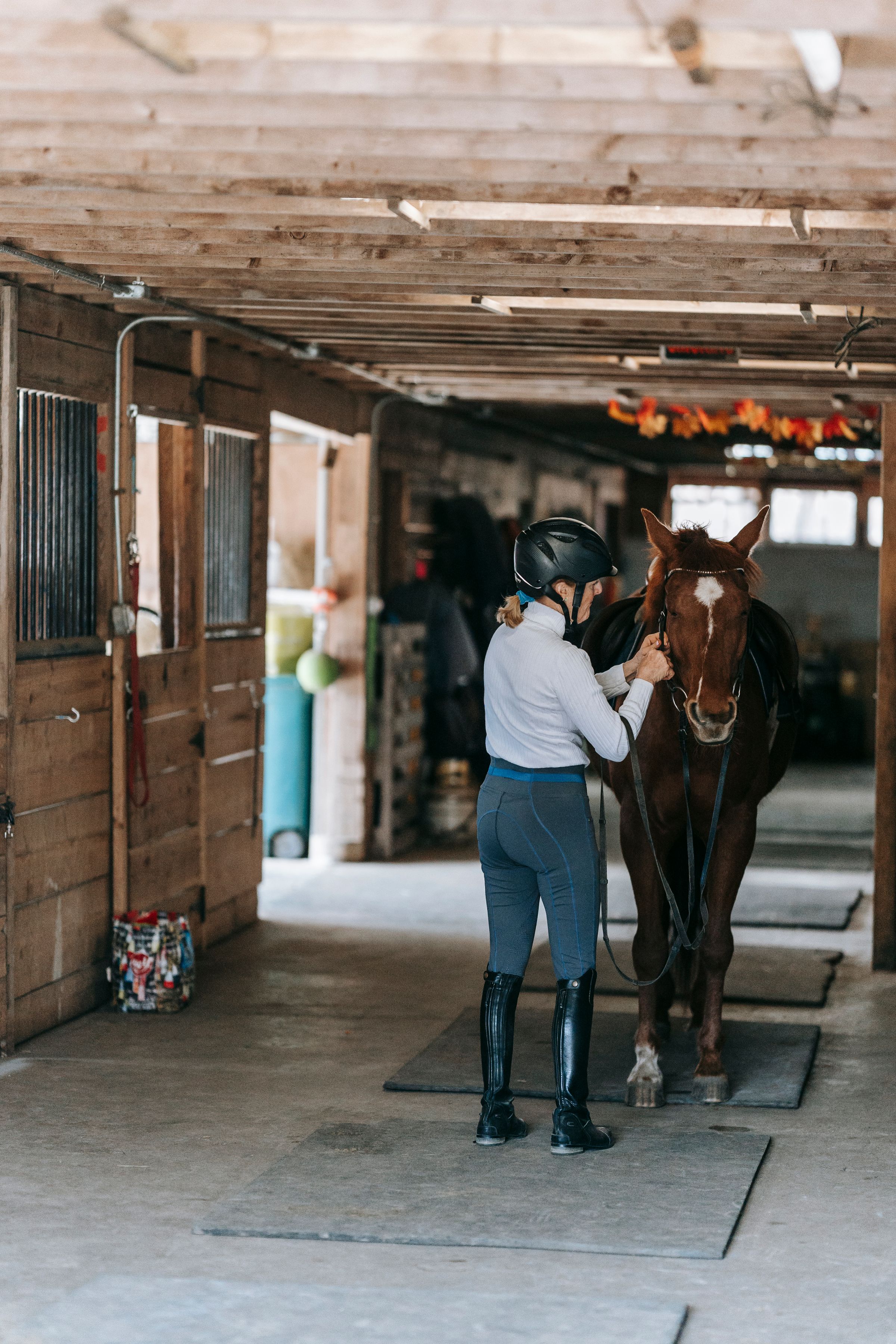
A few short reads on why we built this, and what we think is worth fixing.
8 essays · On equine care, science, privacy, and the work ahead
View all chapters