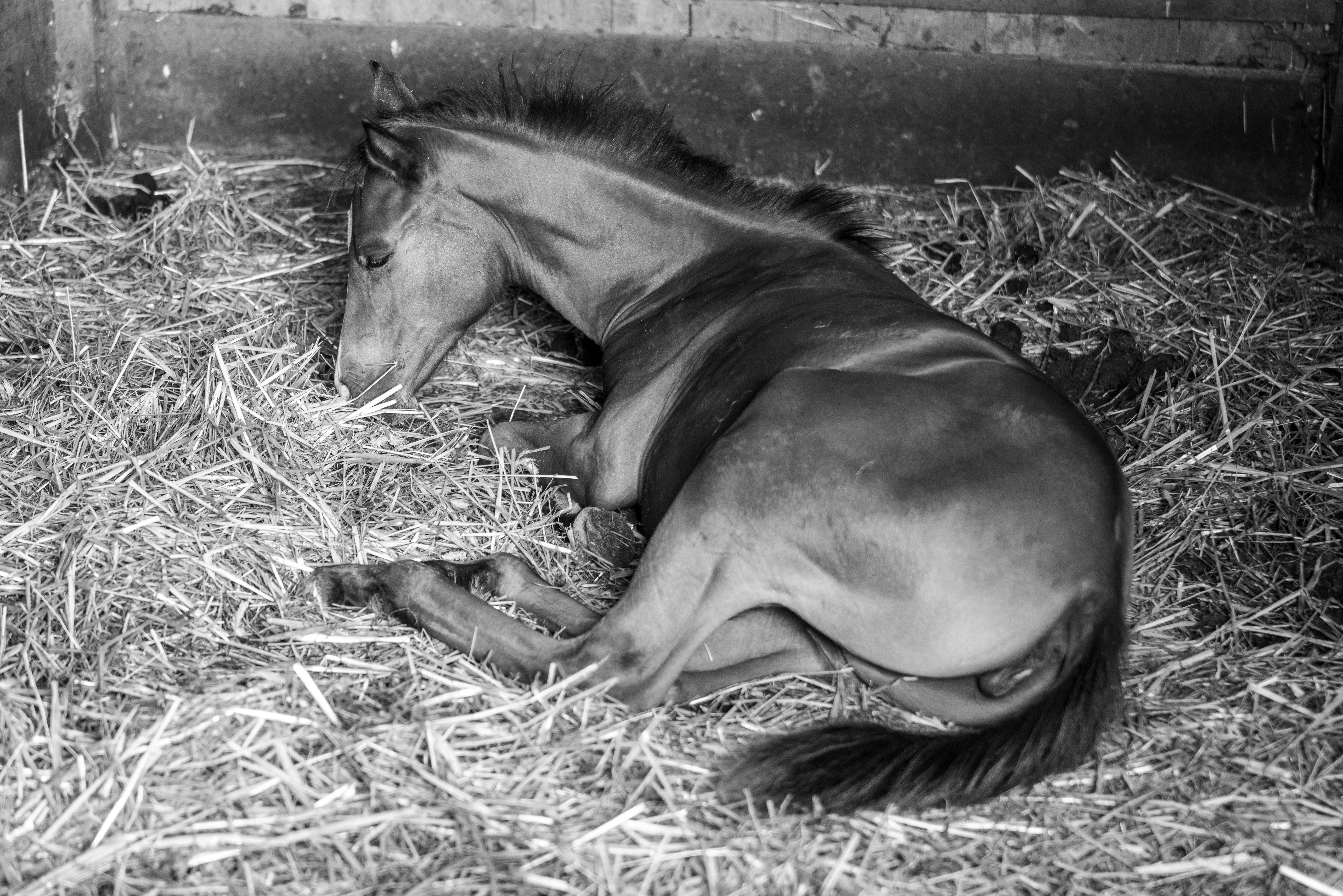
The microbiome
behind the foal.
The mare's reproductive tract has its own microbial community. We're studying how it relates to conception, a healthy pregnancy, and the foal that follows.
A part of the mare we know surprisingly little about
For a long time, the uterus was assumed to be close to sterile. That picture has changed. The reproductive tract hosts bacteria of its own, and the balance of that community seems to matter.
In other species, shifts in the reproductive microbiome have been linked to how easily pregnancy is established and how well it holds. In horses, the research is still early. That's exactly where our work sits.
We sequence samples from mares across breeding programs and compare them against outcomes over time, looking for the patterns that separate an uneventful pregnancy from a difficult one.
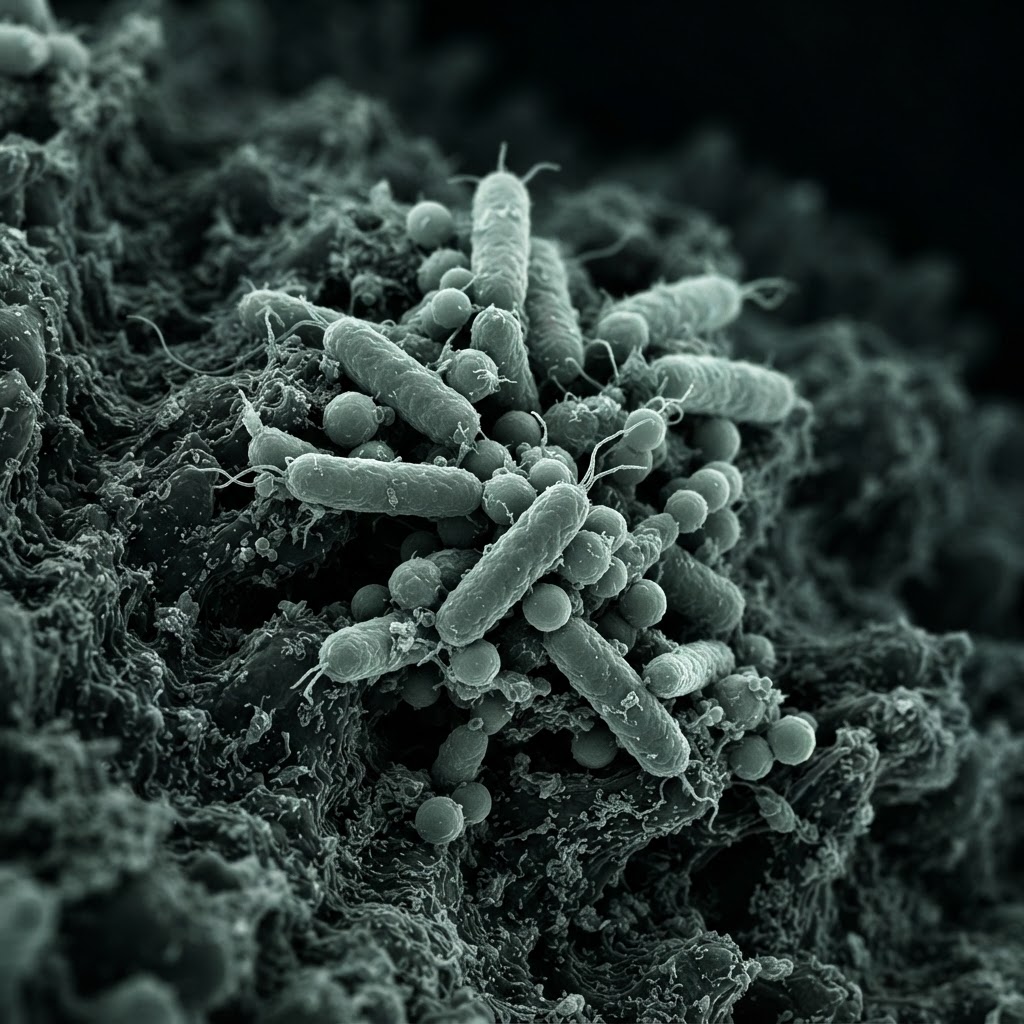
We're building one of the first detailed maps of the mare reproductive microbiome
Before you can tell what's out of balance, you need to know what normal looks like. So we're starting with the map: which bacteria live where, how they shift across the cycle, and how they differ from mare to mare.
Map
We sequence swabs from across the reproductive tract to see which communities are present and in what proportions.
Compare
Profiles are compared across mares, ages, breeds, and breeding histories to find what healthy variation actually looks like.
Follow
We track each mare through breeding, pregnancy, and foaling, so the map can be tied to real outcomes.
From breeding to a healthy foal
Pregnancy success
Do mares that conceive easily share a recognizable microbial profile? And can a disrupted one help explain repeat breeding failures that otherwise look normal on paper?
A strong gestation
How does the community change once a mare is in foal, and are there early signals associated with pregnancy loss or complications later on?
Proper development
The mare's microbes are part of the environment the foal develops in. We want to understand how that environment relates to growth and development before birth.
Foal health
A foal's first microbes come largely from its dam. We're following how that inheritance connects to early immunity, gut colonization, and how well foals thrive in their first months.
We're recruiting mares for research
Interested in having your mares take part? Get in touch.
Contact us to participate